Home >> Services >> Posture Screening Test

AI Physio Intake Assistant

A Guided Posture Screening β€” Not a Guess.

Front, side, and back views. Plain-language findings. A confidence score on every result. Built to flag what's worth a closer look β€” never to diagnose.

3-View Capture
Confidence-Scored
Screening, Not Diagnosis
Before/After Tracking
Live Framing Guide 01 / 03
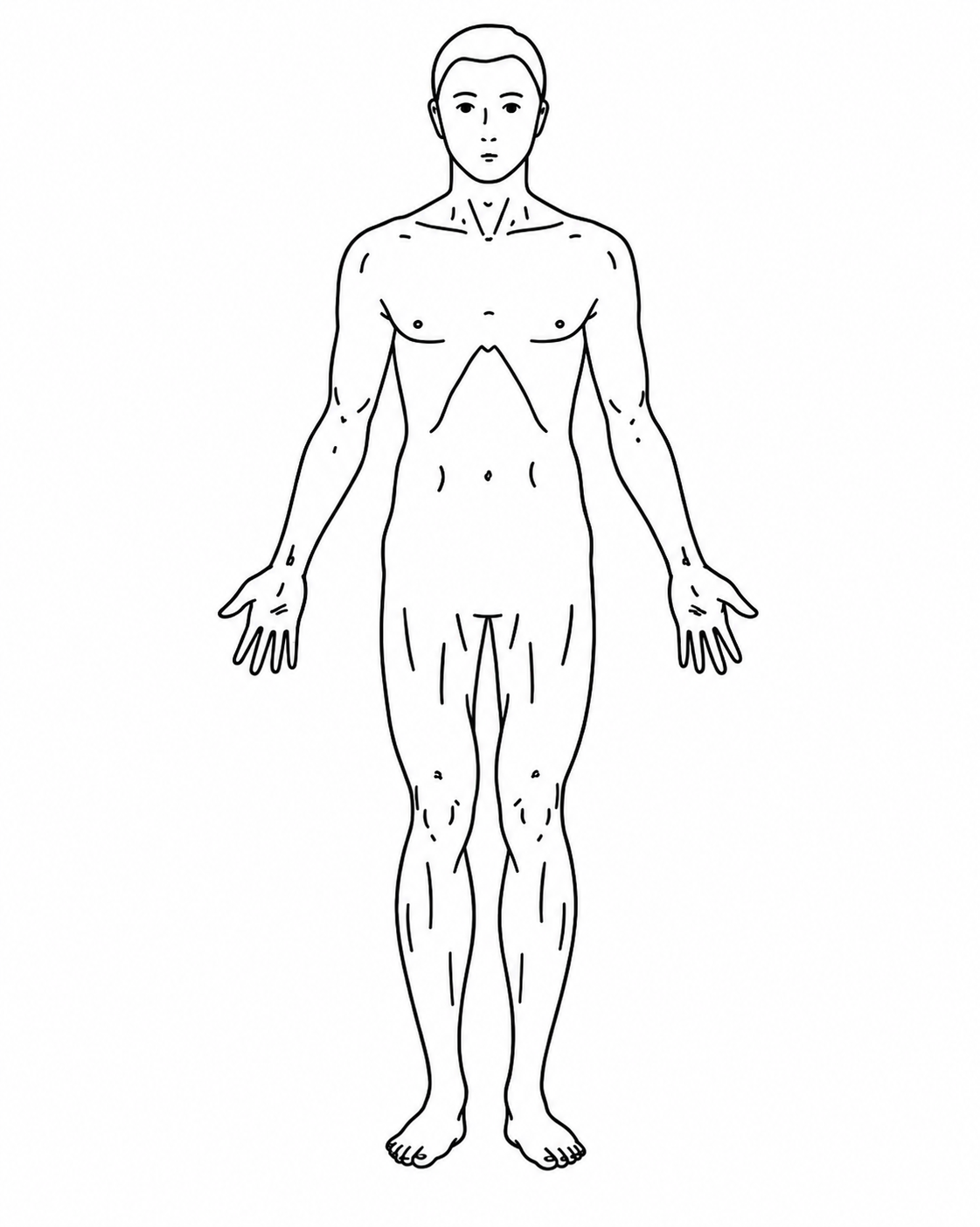
Model standing front-on, correctly framed for the AI posture screening camera
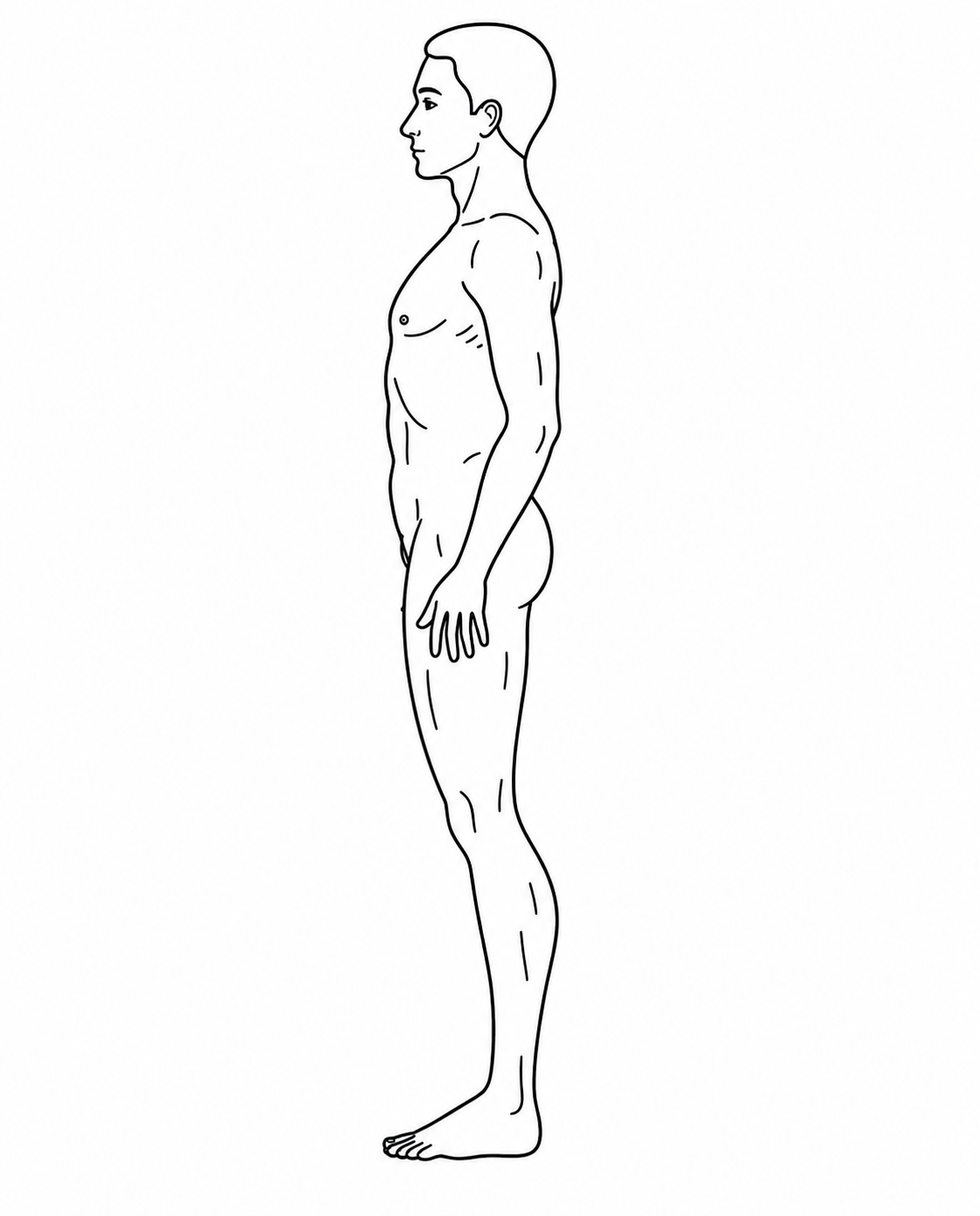
Model standing side-on, correctly framed for the AI posture screening camera
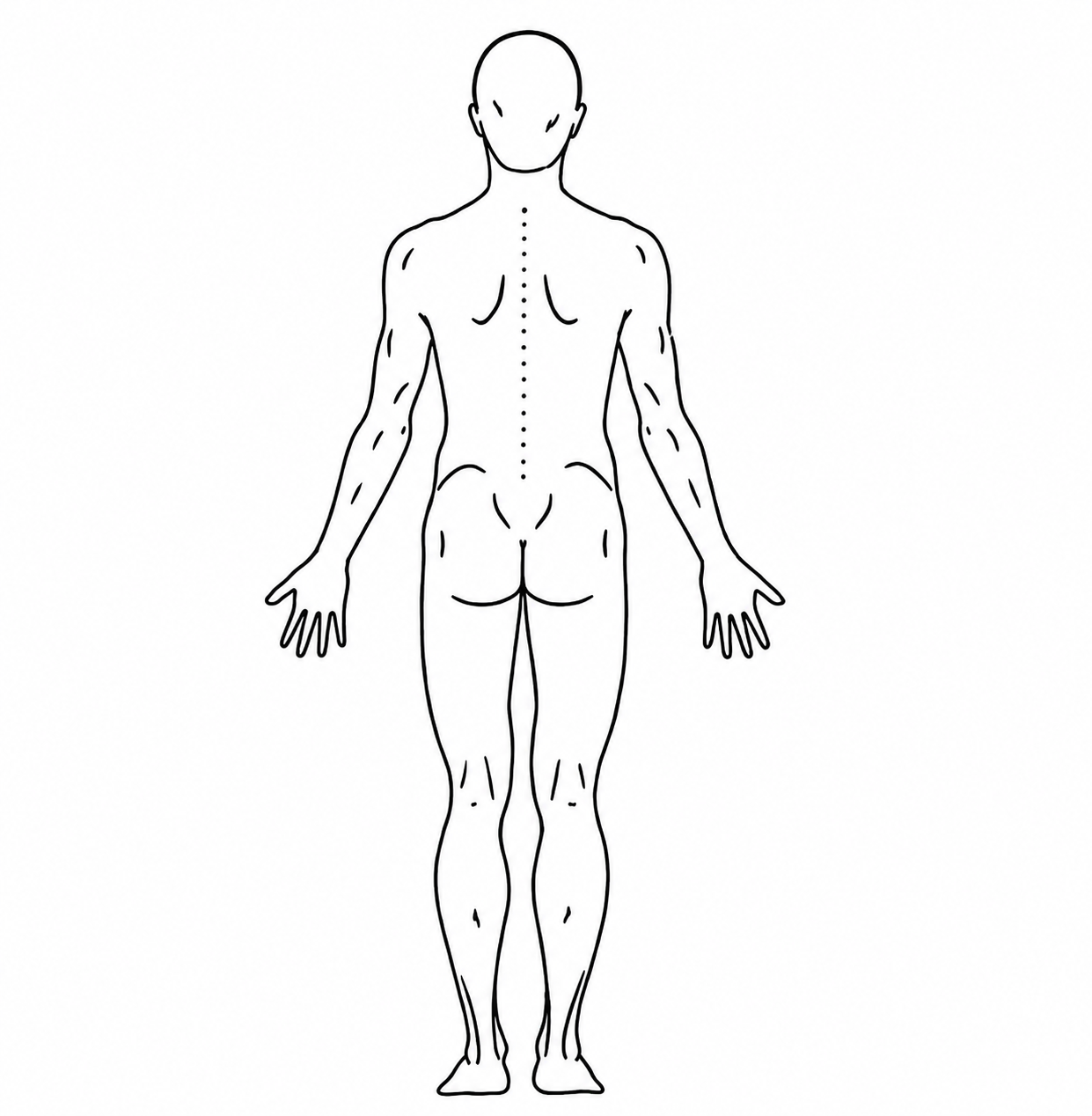
Model standing back-on, correctly framed for the AI posture screening camera
Checking head & shoulder alignment
Front ViewFace the camera. Feet shoulder-width apart, arms relaxed at your sides.
MODEL v2.4 β€’ REGIONS TRACKED 6 β€’ SCAN TIME ~5 MIN β€’ STATUS READY
AI-assisted physiotherapy posture screening at Thrivecore
Get Started

Book Your Posture Screening

schedule your consultation with our Physiotherapist expert

posture Form Form (#35)
How It Works

Four short stages. About five minutes, start to finish.

No forms to fill blindly β€” the assistant asks one question at a time, checks your photos before analyzing anything, and tells you plainly when it isn't confident enough to conclude.

01 β€” Consent

What This Is (and Isn't)

A short, plain explanation before anything starts β€” this is a wellness screening, not a diagnosis.

02 β€” Quick History

A Few Short Questions

Pain area, duration, activity level, and a gentle red-flag check β€” one question per turn.

03 β€” Guided Photos

Front, Side & Back

Step-by-step capture instructions, with an automatic quality check before any analysis runs.

04 β€” Your Report

Plain-Language Findings

Region-by-region results, a confidence score, and clear next steps β€” including when to see someone in person.

Confidence Scoring

Every finding comes with how sure we are about it.

If a photo's angle, lighting, or framing isn't good enough, that region gets flagged as low-confidence β€” or the assistant asks for a retake β€” instead of guessing.

High Confidence

Clear, well-lit, full-body image at the right angle. Findings are reported with specifics.

Medium Confidence

Mostly usable image with minor issues. Findings are reported with a caveat.

Low Confidence

Poor angle, lighting, or cropping. That region is marked "not assessed" β€” a retake is requested.

Sample Report

What you actually get at the end.

Mobile-friendly, region-by-region, with plain language leading and technical terms in parentheses β€” never the other way around.

Posture & Alignment Screening Summary

Overall Confidence: Medium–High

Head/NeckHead sits slightly forward of shoulders (forward head posture)High
ShouldersLeft shoulder sits a little higher than right (shoulder elevation)High
SpineMild forward curve through upper back (thoracic kyphosis)Medium
PelvisSlight forward pelvic tilt observedMedium
KneesNo significant deviation observedHigh
Ankles/FeetNot assessed β€” image cropped below ankleLow
Severity: Mild. Suggested next step: general mobility check-in. No red flags identified in this screening. This is an AI-assisted wellness screening, not a medical diagnosis.
Before / After Tracking

See whether things are trending the right way.

Return for a follow-up screening and get a side-by-side comparison β€” but only for regions where both screenings had good enough image quality to compare fairly.

Head/NeckForward head posture
Improved
ShouldersShoulder elevation
Unchanged
Safety & Guardrails

Built to screen safely, not to play doctor.

These rules apply at every stage of the conversation, without exception.

01

Screening, Not Diagnosis

Never states or implies a medical diagnosis, named condition, or prognosis.

02

Red Flags Stop Everything

Any red-flag symptom halts the flow immediately and directs you to in-person care β€” no imaging, no exercises.

03

No Prescriptions for Acute Cases

General movement suggestions only for mild, non-urgent findings β€” always with a "stop if it hurts" caveat.

04

Confidence Stated Every Time

Poor image quality means a retake request, not a guess dressed up as a finding.

05

Plain Language First

Everyday words lead; clinical terms follow in parentheses.

06

Minimal Data, By Design

No requests for medical records, insurance details, or ID documents beyond what the screening needs.

When the Assistant Stops and Refers You Out

  • Sudden, severe pain
  • Numbness, tingling, or weakness spreading down a limb
  • Loss of bladder or bowel control
  • Recent significant trauma (fall, accident)
  • Suspected fracture
  • Fever with back pain
  • Unexplained weight loss with pain
  • Chest pain or breathing difficulty during movement
  • Pain that wakes you from sleep
  • Symptoms worse than expected after recent surgery
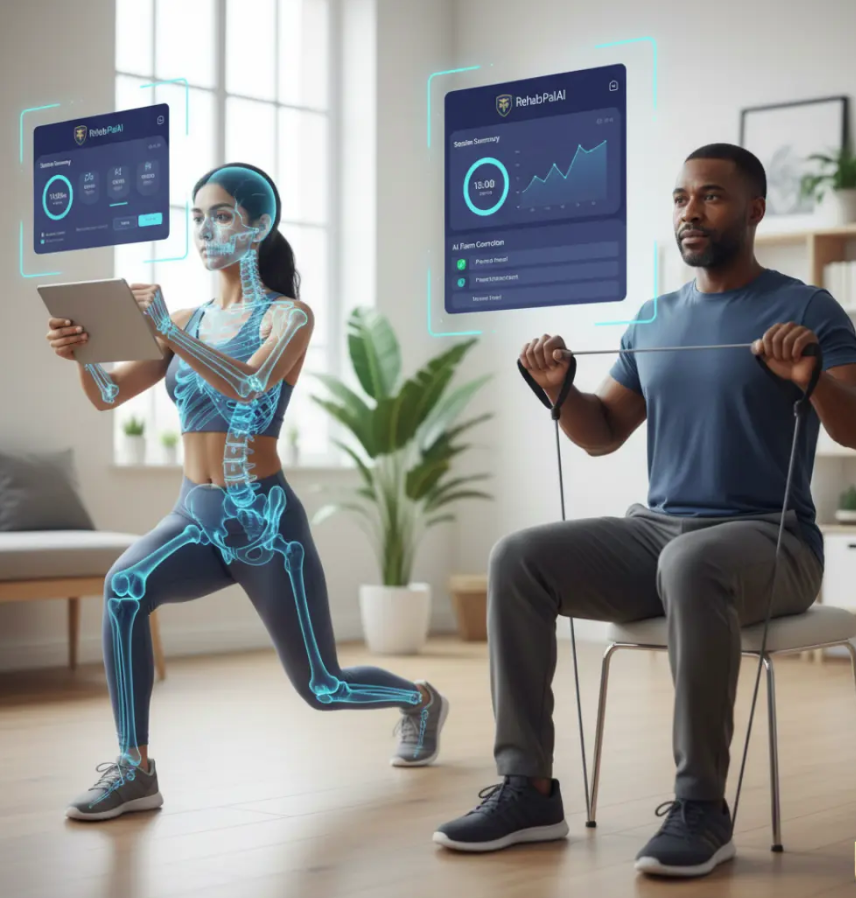
Person demonstrating correct posture

Frequently Asked Questions

No. This is just a screening tool, not a diagnosis. This is said at the start and finish of each report. It draws attention to obvious patterns of posture that might be worthy of closer inspection. If you want an accurate diagnosis consult a live physiotherapist or a doctor.

Accuracy depends largely on photo quality. Good lighting, a full body shot, and a plain background produce the most reliable results. Every finding also comes with a confidence score of high, medium or low. If a region cannot be assessed properly, it’s marked as β€œnot assessed” rather than guessed.

Yes, our screening tool is completely free. If you would like a deeper, human reviewed evaluation afterward, you can book a live physiotherapist posture assessment for β‚Ή250.

The screening takes about 5 minutes and consists of 4 steps: short consent explanation, a few brief history questions, guided photo capture from front, side and back and a report at the end.

The tool automatically checks image quality. If the lighting, angle or framing is not sufficient for a particular area, that region will be marked β€œnot assessed” instead of producing an unreliable result, and you will be asked to retake it.

This score tells us how accurate each finding is. High confidence meant the photo was well-lit, well-angled and clear. Medium confidence means there were minor issues with the image so a note is included. If the confidence is low it means the region could not be reliably assessed and needs to be retaken.

Β If a red flag symptom is detected, such as sudden severe pain, numbness spreading down a limb, or signs of a possible fracture, the screening stops immediately and directs you toward in person care instead of continuing.

Yes. If you return for a follow up screening, you will receive a side by side comparison with your previous result. But this applies only to regions where both screenings had good image quality for a fair comparison.

Your details are used only to send you your results and for ThriveCore to follow up about your screening. They are not shared with anyone else. The tool also doesn’t demand more than it needs, such as medical records or ID documents.

No special equipment is needed. Just a phone or camera, around 2 to 3 meters of space from which to stand back from it, a plain background and good lighting.

Our free AI screening provides an automated, confidence scored first pass in 5 minutes. But if you are looking for a more detailed hands on review with a certified physiotherapist and a tailored plan you can opt for our β‚Ή250 live assessment.

Yes, you will receive a PDF of your posture screening report which you can download at the end of the screening.

Your Transformation Starts Today

Join 1,200+ clients who have already transformed their health with ThriveCore. One free call is all it takes to begin.

Related Blog

Loading related posts...

Scroll to Top