Unlock your potential with personalized coaching, live sessions, and expert guidance built for real results.
Stress relief workouts are physical exercises that are designed to relieve mental pressure, release physical tension and get you back to a calm state.
But when the daily demands pile up, adding in some physical activity for stress is an easy and effective way to release tension and reset your body.
According to Harvard Health Publishing, when you exercise, your body releases endorphins, which are your body’s natural feel-good chemicals. Exercise also reduces levels of cortisol, which calms your nervous system.
Why Stress Relief Workouts Are So Effective
Stress relief exercises work because they help to reduce stress hormones. They also lift your mood, relax your mind and body. Exercise triggers your brain to release endorphins. These make you feel good, and give you a natural feeling of ease. Movement can also bring down cortisol, which helps you to bring back your inner peace.
Movement also helps you stay in the present. According to the American Psychological Association (APA) , consistent physical exercise improves mental concentration and protects the body from emotional and physical stress. Focusing on your rhythm and movement allows your mind to rest from racing thoughts. This daily practice is what actually builds real emotional resilience over time.
Exercise for anxiety, on a regular basis, releases tight muscles, increases energy levels and improves sleep. The Anxiety and Depression Association of America (ADAA) shows that even small doses of exercise can provide immediate relief and help manage stress long-term. When your muscles relax, your mind relaxes with them.
Not Sure Where to Start Your Weight Loss Journey?
Calculate your BMI instantly and understand your current fitness level before starting your transformation.
Check Your BMI Now →7 Powerful exercises to relieve stress and anxiety
1. Yoga
Yoga is one of the best exercises to relieve stress as it combines controlled breathing with gentle movement. Stretching loosens tight muscles and deep breathing allows your brain to relax.
If you’re a beginner you don’t need to do complicated poses. By spending 10 to 15 minutes each morning doing gentle movements, like Child’s Pose and Cat-Cow, you will immediately feel more grounded. Listen to your body, and go at a pace that feels good.
2. Walking
Walking is great for stress relief, it gets the blood flowing and gives your mind a break from the stresses of the day. Fresh air breaks outside are good to break up long periods of sitting and clear the mind.
Even a brisk 20 minute walk at lunch break can make a big difference. Relax your posture, swing your arms and enjoy the view.
3. Strength Training
Strength training makes you concentrate on your movement, and releases mood-boosting endorphins to relieve stress. Do simple bodyweight exercises, such as squats, push ups and lunges, 2 or 3 times a week.
Concentrate on form and try to go slowly. This will help keep your mind in the present and take your mind off the worries.
You don’t have to use heavy weights to get the benefits. For women, strength training can be a fun and empowering way to build up functional confidence, increase bone density and clear mental fatigue. A women’s strength training guide can help you begin.
4. Pilates
Pilates improves your body alignment and strengthens your core which releases physical tension. Sitting at a desk for long periods of time can be hard on your back, neck and shoulders but controlled pilates movements release that tension gently.
20 minutes of mat pilates, two to three times a week will build stability and relieve the stress of everyday life. Give yourself time to move, use your abdominal muscles and breath smoothly all the way through.
5. Zumba/dance workouts
Dance workouts are a fantastic way to relieve stress by allowing you to express yourself in a fun, high-energy environment. Upbeat music will get your heart pumping in no time. It releases endorphins that make physical activity feel less like work, and more like play.
Choose activities you enjoy and play your favourite music at home or take a 30-minute virtual Zumba class. You don’t have to be perfect on each step, just get out there and have fun.
6. Swimming
Swimming is a great stress buster. The soothing feel of the water and gentle rhythmic motion relaxes your mind and body. The water holds you up, giving you gentle resistance to help you relax your muscles without putting a strain on your joints.
There is something quiet and meditative about lap swimming, the rhythmic breathing and steady strokes. Swimming for 20 to 30 minutes is a good workout that is easy on your knees and back.
7. Martial art
According to data from the National Center for Complementary and Integrative Health (NIH), slow, controlled movements and relaxed breathing from doing martial arts like Tai Chi, can help reduce anxiety. These practices release deep muscle tension and help you find your natural balance without overworking the body.
Doing the slow Tai Chi forms for 10 to 15 minutes a day will help keep your mind centred when things get busy. Glide, easily shifting your weight from one step to the next, in a relaxed fluid motion.
Incorporating these stress relieving exercises into your daily routine can help increase mindfulness, release tension from your muscles, and decrease anxiety throughout the day.
Daily Routine for Stress Relief Exercise
A simple daily workout routine helps to avoid stress building up throughout your week. Breaking down the movement into smaller, more manageable sessions, keeps you moving steadily without feeling overwhelmed.
| Time | What to Do | Duration |
|---|---|---|
| Morning | Cat-cow stretches and child’s pose | 10-15 min. |
| Afternoon | Indoor bodyweight exercises or brisk walk outside | 15-20 min. |
| Evening | Tai chi or a slow Pilates set | 10-15 min. |
Simple Daily Activities to Relieve Stress and Anxiety
Incorporating simple moves such as these into your regular workout routine and daily activities can help you to release tension and clear your mind more often.
- Jogging- A brisk 10 to 15 minute jog can help you regulate your breathing and release endorphins that gradually lift your mood. The rhythm helps break the cycle of repetitive anxious thoughts, and leaves you feeling refreshed.
- Cycling– Cycling is a smooth, low-impact activity that reduces stress hormones and boosts your overall fitness. Outdoor riding gives you a change of scenery, some fresh air and is easy on the knee and hip joints.
- Stretching– Targeted stretches release deeply held tightness in high-stress areas like your neck, shoulders, and lower back. Just a few minutes of stretching increases blood circulation and pumps fresh oxygen to your body, relaxing tense muscles.
Conclusion
If you take some time to do some stress relieving workouts with a structured routine, you will feel more calm and energetic and ready for anything that comes your way.
It’s not about intensity, it’s about consistency and even short workouts can make a huge difference in how you feel. The best workout is the one you enjoy and can maintain long term.
Frequently Asked Questions
1. Which workout is best for immediate stress relief?
Yoga is often considered the best way to relieve stress quickly, because it combines mindful stretching with deep breathing. Just even 10 to 15 minutes on a mat will bring your nervous system down and your heart rate down quickly.
2. Does strength training reduce stress?
Yes, strength training releases physical tension and increases the release of endorphins to lift your mood. Focus on good form & controlled movements, stay in the moment. Develop a routine that’s right for your fitness level with our online strength training program.
3. What is the best time of day to exercise for stress management?
Getting up early and working out gives you a relaxing way to start your busy day and working out in the evening helps you unwind and shake off the stress of the day. The best time is really whichever time fits naturally into your schedule so you can be consistent.
4. Can home workouts help with stress?
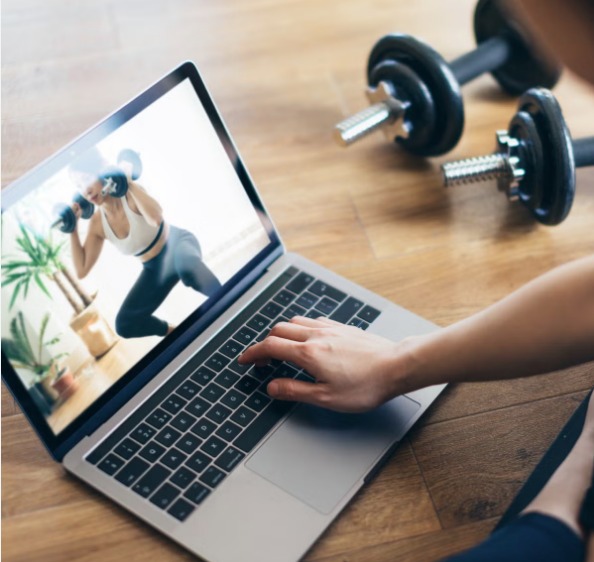
Yes, home workouts such as stretching, dancing, body weight exercises are super effective to reduce stress. You don’t need special equipment to move your body and alleviate everyday stress.
5. Do I need a gym membership to perform these stress-relief workouts?
No. Most stress relieving activities such as brisk walking, dancing, and bodyweight Pilates can be done anywhere and don’t cost anything. They can be practiced easily at home, in your yard or at a local park anytime you need a quick reset.